

Material
Studies can describe the properties of a particular raw material. Relevant factors include its composition and the sample studied.
Here we show how we read scientific sources and which statements about a product we derive from them, and which we do not.
What is known about a raw material does not in itself explain what a finished product does. Raw material, mode of action and product are three different levels.
Studies can describe the properties of a particular raw material. Relevant factors include its composition and the sample studied.
A mechanism can explain why a material is of interest for a particular use. On its own, that is not complete evidence for a finished product.
Claims about a product must fit its material, its processing, its use and its intended purpose.
Results cannot automatically be transferred from one level to the next.
A lab study and a human study do not answer the same questions. Besides the result, the study design, the material studied, the research question and the limitations all matter.
That is why we consider these five questions when assessing a source.
A scientific publication does not replace the requirements of the relevant category.
For our medical devices, the intended purpose and product information of each device are authoritative.
Food supplements are subject to different requirements for health claims.
General knowledge does not automatically become a product promise.
General information does not replace the details for an individual product. What applies to use and safety can be found in three places.
Medical device. Please follow the instructions for use.
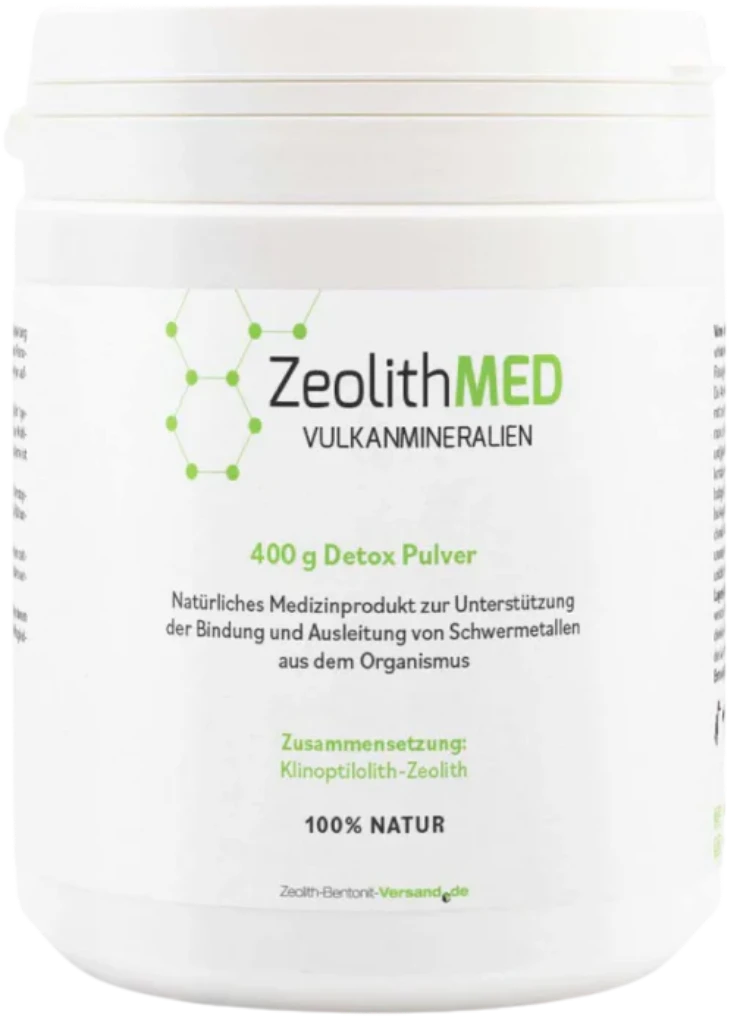
The pack shows the product name, composition, intended purpose and manufacturer.
They come with every medical device and describe use, warnings and contraindications.
For individual health questions, please speak to your doctor or pharmacist.
On the following pages, you can read how we ensure quality and which medical devices we offer.